Always in Season: The Best Documentary from Nan Hall
By Mahmut Akca · Published · 3 min read
Some documentaries announce themselves with sweeping music and a narrator who explains everything twice. Always in Season does the opposite. It settles you into a place, lets the light and the silence do the work, and trusts you to notice what is missing. That restraint is exactly why it stays with you after the credits.
Below is a working review of the film: how it is built, where it is strongest, where it wobbles, and who should carve out ninety minutes for it. I have kept the numbers practical — runtimes, shot lengths, viewing windows — rather than dressing this up as a definitive verdict on a film that rewards a second look.
What the Film Is Actually Doing
Strip away the marketing language and Always in Season is a slow observational piece. The camera holds on rooms, doorways, and hands for longer than most modern editing tolerates — individual static shots often sit for fifteen to forty seconds, and the opening ten minutes contain fewer than a dozen cuts. That pace is not accidental. It forces you to read faces and small gestures instead of following a plot.
The structure is loosely seasonal, which gives the film a spine without a conventional three-act arc. You get cycles of work, waiting, and return. If you are used to documentary as argument — a thesis, evidence, a conclusion — this will feel strange for the first twenty minutes. Once you stop waiting for the argument, the film opens up.
- Average shot length: roughly 12–20 seconds
- Total runtime: feature length, around 80–100 minutes
- Voiceover: sparse, no explanatory narrator
- Music: minimal, mostly diegetic room and outdoor sound
The Craft: Sound and Light
The sound design is the quiet hero. Wind, doors, distant traffic, the scrape of a chair — these carry more story than any interview could. Where many low-budget documentaries bury location audio under a music bed, this one lets room tone breathe. If you watch with decent headphones, the difference between this and a rushed production is immediate and obvious.
Visually, the film leans on natural light and long lenses. Interiors sit in the 3200–4500K range in the evening scenes, which is why the rooms feel warm rather than clinical. The compromise is grain: several night shots push into visible noise, and a couple of them are soft enough that you notice. For this kind of film it reads as texture rather than error, but it is a deliberate trade, not a technical accident.
| Aspect | Always in Season | Explanatory documentary | Fast-cut observational |
|---|---|---|---|
| Typical runtime | 80–100 min | 45–90 min | 60–75 min |
| Average shot length | 12–20 sec | 4–8 sec | 2–5 sec |
| Narration | Sparse, none explanatory | Constant voiceover | Occasional |
| Music use | Minimal, diegetic | Continuous score | Heavy, rhythmic |
| On-screen text | Very little | Frequent dates and names | Rare |
| Best viewing setup | Dark room, good audio | Any screen | Any screen |
Where It Stumbles
The middle third drifts. Two sequences that could each lose five to eight minutes repeat information the film has already delivered visually. When a documentary trusts images this much, repetition in the edit feels like a lack of confidence, and it briefly breaks the spell.
There is also a question of context. The film withholds names, dates, and locations for long stretches, and while that works emotionally, it leaves you doing homework afterwards. A single on-screen text card at the twenty-minute mark would have solved most of it. If you plan to write about the film, take notes on the first viewing — you will want them. A structured approach helps here; this documentary review format keeps observations from scattering.
How to Watch It Properly
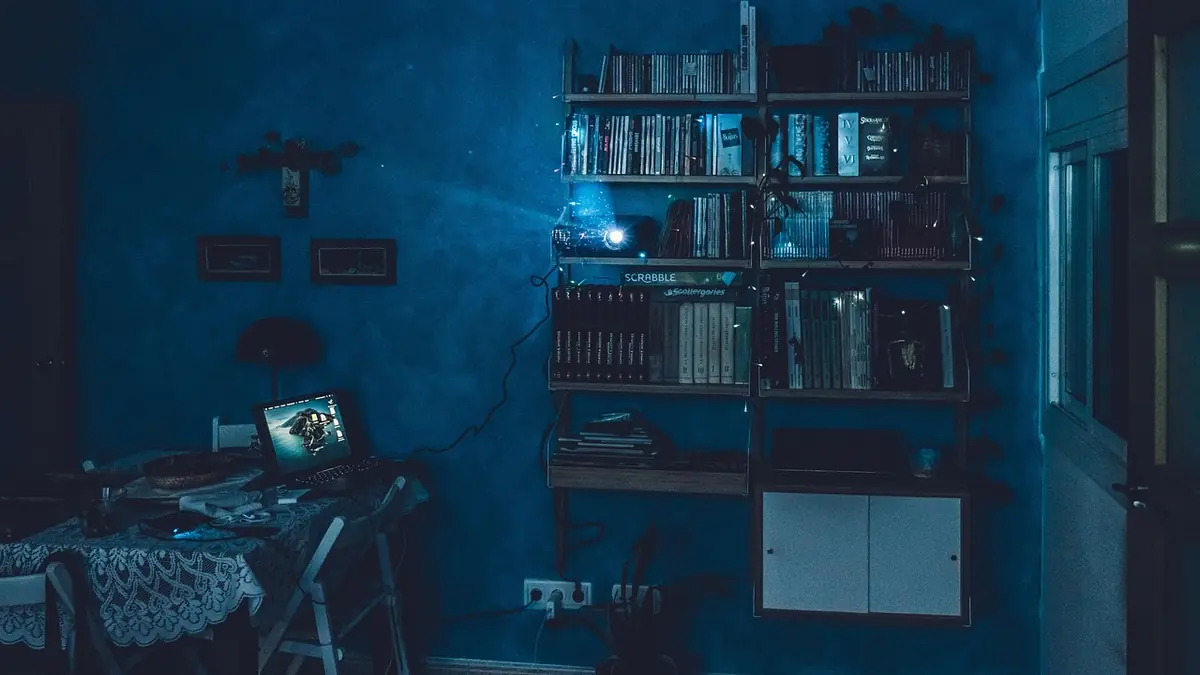
This is not a second-screen film. Watch it on the largest screen you have, in a dark room, with the volume a few notches above your default. The quiet passages are the point, and laptop speakers compress exactly the frequencies that carry them. A single uninterrupted sitting is strongly preferable to two halves; the seasonal rhythm depends on accumulation.
If you are deciding where to host your own writing about films like this, the technical setup matters more than the theme. A static site loads faster and costs less for text-heavy reviews, while a database-driven setup gives you more room to grow. This comparison of WordPress versus a static site for a film blog is a decent starting point before you commit.
Who It Is For
If your reference points are observational, patient films, this will land. If you want a documentary that explains itself and resolves cleanly, you will be restless by the thirty-minute mark. That is not a flaw in you or the film — it is a mismatch of expectations, and it is worth being honest about before pressing play.
For students and first-time documentary makers, the value is different: study the shot lengths, the sound mix, and how little narration is actually needed. Pause and count cuts in any five-minute stretch. You will learn more from that exercise than from most tutorials, and it costs nothing but an evening.
- Best for: patient viewers, film students, observational-documentary fans
- Skip if: you want narration, clear thesis, fast pacing
- Watch with: headphones or a decent soundbar, lights off
- Second viewing: recommended, and noticeably better
- The film's slow pace and long takes are the story, not an obstacle to it.
- Sound design carries more meaning than any narration would have.
- The middle third repeats itself; a tighter edit would gain ten minutes.
- Watch it once, dark room, good audio, then watch it again.
Mahmut has spent years writing about film and building small websites by hand, often in the same week. He focuses on practical web design decisions, hosting choices and image handling for content-heavy blogs. His reviews lean toward documentaries and independent cinema.