A Huge Congratulations to Chicken Egg Pictures
By Mahmut Akca · Published · 3 min read
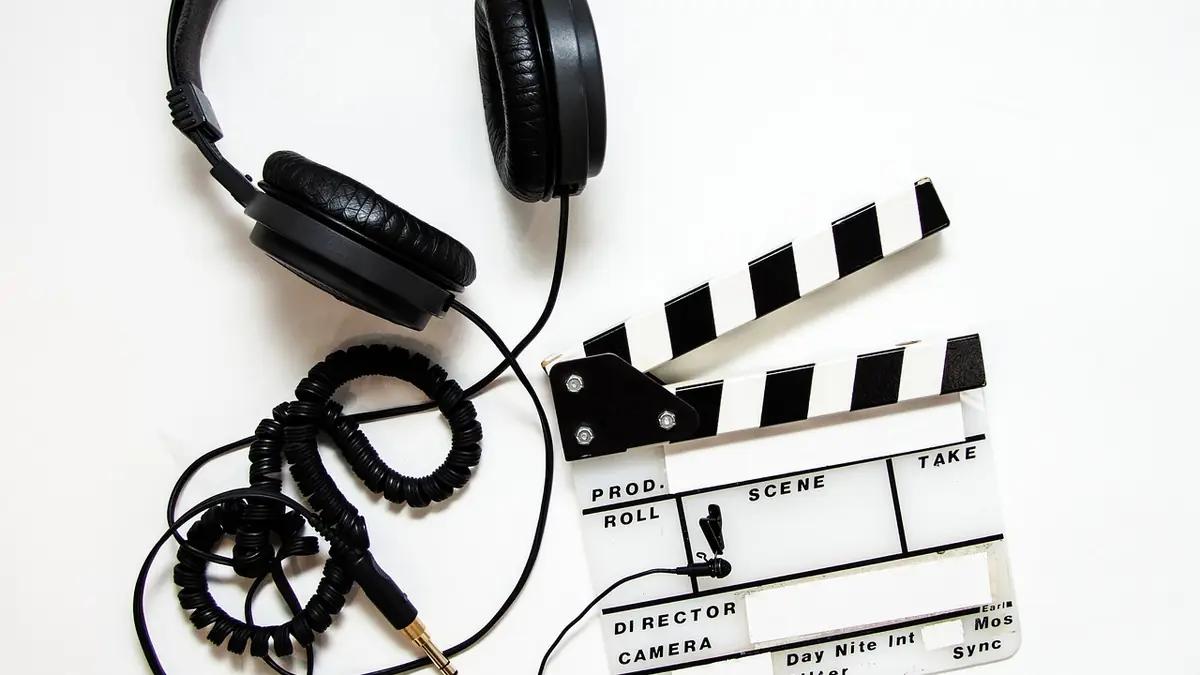
Every so often a small production outfit you have been quietly following does something that makes you sit up. That happened this week with Chicken Egg Pictures, and this post is simply a congratulations — no analysis, no hot takes, just genuine respect for a team that kept going.
Small crews rarely get a headline. They get long days, borrowed gear, favours called in, and edits finished at 2 a.m. When that work finally lands somewhere visible, it deserves a moment of recognition rather than a scroll-past.
Why This Milestone Matters
There is a particular kind of stubbornness required to finish a film with a small crew. Budgets in the low five figures are common at this level, schedules stretch across a year or more, and most people involved are doing it around day jobs. Finishing anything under those conditions is a real achievement, not a footnote.
What stands out about Chicken Egg Pictures is the consistency. The work has been getting tighter — cleaner sound, more confident framing, shorter scenes that actually land. That kind of progress is slow and unglamorous, and it is exactly what separates teams that last from teams that quietly dissolve after one project.
For anyone watching from the outside, the lesson is simple: keep shipping. A finished short that screens somewhere beats a perfect feature that never leaves the timeline. The team has clearly internalised that.
- Finish projects, even small ones
- Keep the same collaborators close
- Invest in sound before extra lenses
- Document everything for future press kits
The Craft Behind Small Productions
Independent teams usually work with a two- or three-person core and a rotating cast of freelancers. Camera packages are often rented for a weekend, lighting is bounced off a wall, and locations are friends' flats. None of that shows on screen when the direction is sharp, and that is the quiet skill on display here.
Sound is where most micro-budget work falls apart. A decent shotgun mic, a boom operator who knows how to stand still, and a room with soft furnishings will do more for perceived production value than any camera upgrade. It is worth saying plainly because it is the cheapest quality win available.
Colour and pacing carry the rest. A restrained grade that keeps skin tones honest and cuts that arrive a beat earlier than expected make modest footage feel deliberate. That restraint is visible in this team's recent output, and it is the reason people are paying attention.
| Area | Typical Share of Budget | Typical Spend Range | Where It Pays Off |
|---|---|---|---|
| Sound recording and mix | 15-25% | $400-$2,000 | Perceived production value |
| Camera and lighting rental | 20-30% | $600-$2,500 | Image consistency |
| Locations and permits | 5-15% | $150-$1,200 | Fewer scheduling surprises |
| Post and colour | 15-25% | $500-$2,000 | Cohesive look |
| Festival fees and delivery | 5-15% | $200-$1,500 | Actual screenings |
| Contingency | 10% | $300-$800 | Weather and reshoots |
Building an Audience Without a Budget
Nobody discovers a short film by accident. The teams that build momentum treat distribution as part of production, not an afterthought. That means a simple site with a clean screening page, posters sized consistently, and a press kit that a festival programmer can open on a phone in under a minute.
The technical side is less intimidating than it sounds. If you are putting a film page together yourself, this guide on choosing a web host for a small film review blog covers the practical trade-offs, and compressing film stills without losing quality will keep a gallery fast without making frames look mushy.
Images are usually the heaviest thing on a film site, so a short pass through a Core Web Vitals checklist for image-heavy review pages pays off quickly. And if you are collecting emails or selling tickets, sort out SSL certificates for small websites before launch day, not after.
What Other Small Teams Can Borrow
The most transferable habit is scoping. A ten-minute short with three locations and four speaking parts is finishable. A forty-minute piece with a crowd scene and a car stunt is not, at least not on a first outing. Chicken Egg Pictures has kept scope honest, and that is why the work gets finished.
Second is relationships. Crew who feel respected come back, and returning crew compound into speed. Third is documentation: behind-the-scenes stills, a short director's statement, and clean credits cost almost nothing to produce and make a project far easier to pitch later.
Finally, treat the release as a deadline with a date attached. Book the screening room, tell people, then finish the film to meet it. Deadlines imposed from outside are the most reliable editing tool there is.
Sending Them Forward
This is not a review and there is no score at the bottom. It is a note of thanks for making the independent scene feel active rather than theoretical. Congratulations to everyone who held a boom, carried a case, or sat through a rough cut and gave honest notes.
If you are sitting on an unfinished edit, take this as a nudge. Render what you have, watch it with two people you trust, and set a date. The team being celebrated here did exactly that, more than once, and it worked.
- Set a public screening date early
- Keep a reusable press kit template
- Credit everyone, every time
- Finishing small projects beats perfecting large ones
- Sound spending returns more visible quality than extra gear
- Press kits and image-heavy sites need compression and a checklist
- Set a public screening date to force the edit to close
Mahmut has spent years writing about film and building small websites by hand, often in the same week. He focuses on practical web design decisions, hosting choices and image handling for content-heavy blogs. His reviews lean toward documentaries and independent cinema.